Affiliate links may be included for your convenience. View our privacy and affiliates policy for details.
Feather and fan is a popular lace knitting pattern from the Shetland Islands also sometimes called Old Shale. It’s not difficult to learn but there are a few things about feather and fan that makes it different from other lace patterns.
What is Feather and Fan?
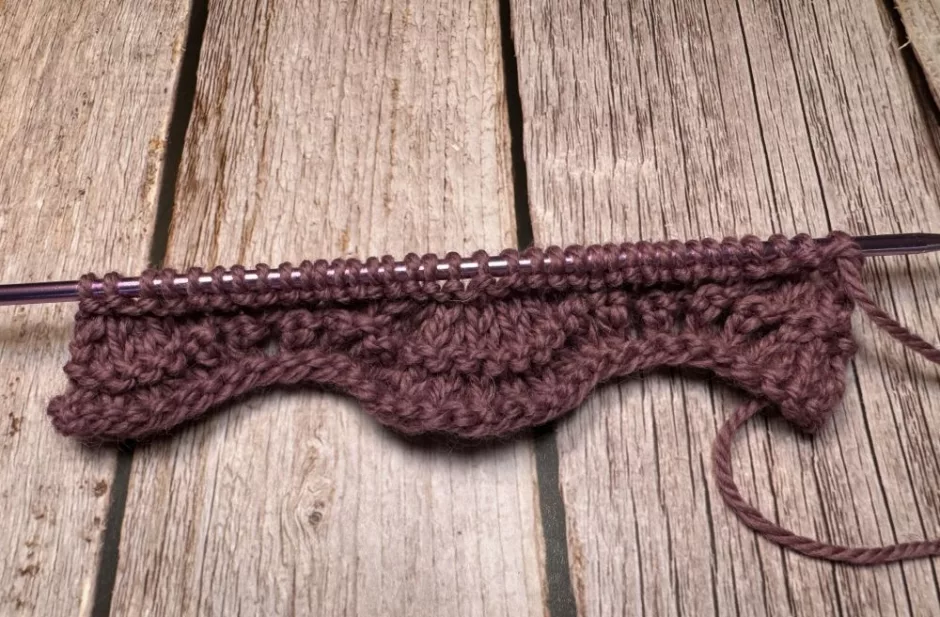
Feather and fan is a knitting stitch pattern that involves multiple decreases worked in a row followed by multiple increases, then more decreases.
The effect of this shaping is that the ends of the knit fabric are curved (you might call it a fan shape) instead of being straight like most knitting patterns. This happens because the increases and decreases aren’t balanced across the row — the decreases draw the fabric in and the increases spread it out.
Feather and fan is a four-row repeat worked on multiples of 18 stitches.
Why is it Also Called Old Shale?
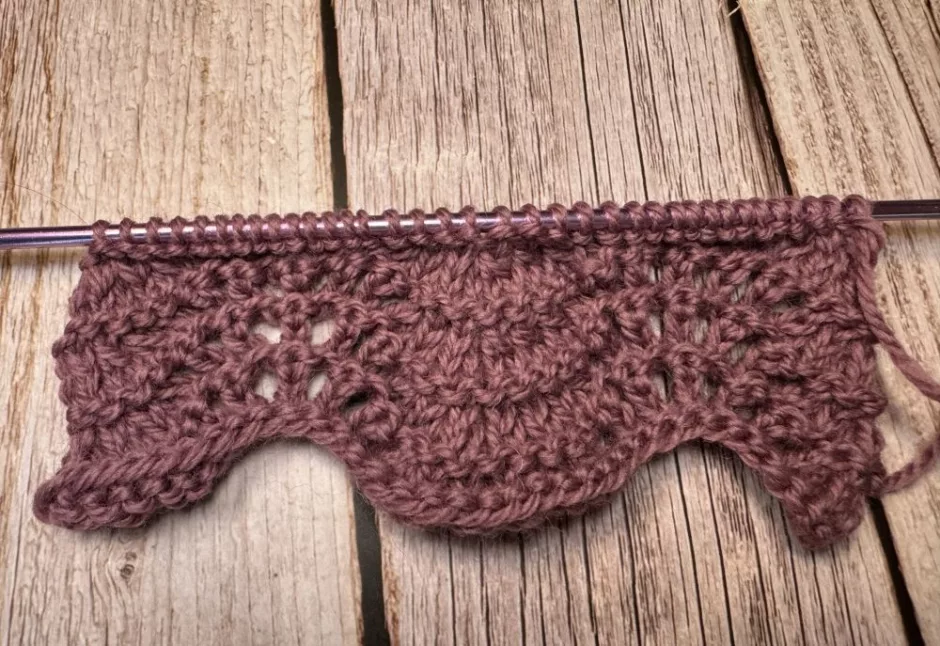
Shale is a sedimentary rock that looks kind of like the waves in this stitch pattern. Technically this particular stitch pattern would more accurately (but not entirely accurately, read on) be called Old Shale.
Years ago I wrote a post on this subject and referenced the blog Northern Lace (which can still be found via Internet Archive), which explains that someone somewhere around World War II misnamed the stitch and it stuck, such that even Barbara G. Walker calls the stitch “Feather and Fan or Old Shale” in her Treasury of Knitting Patterns.
The truth is they are not the same and never were. Real feather and fan is a more condensed stitch pattern, that in a single repeat really does look like a feather. It also includes the terrifying knit 4 together decrease and either a knit 4 together through the back loop or a ssssk (this version via Susanna Winter). Yikes!
And in fact the name “old shale” isn’t accurate for either stitch pattern, either, because the Shetland name for what we call feather and fan is actually old shell because it looks like a shell.
So now you know some knitting trivia but I think the name feather and fan is going to remain in use for this stitch pattern, even though it’s really old shell. (Find the true feather and fan pattern below.)
How to Knit Feather and Fan/Old Shale/Old Shell
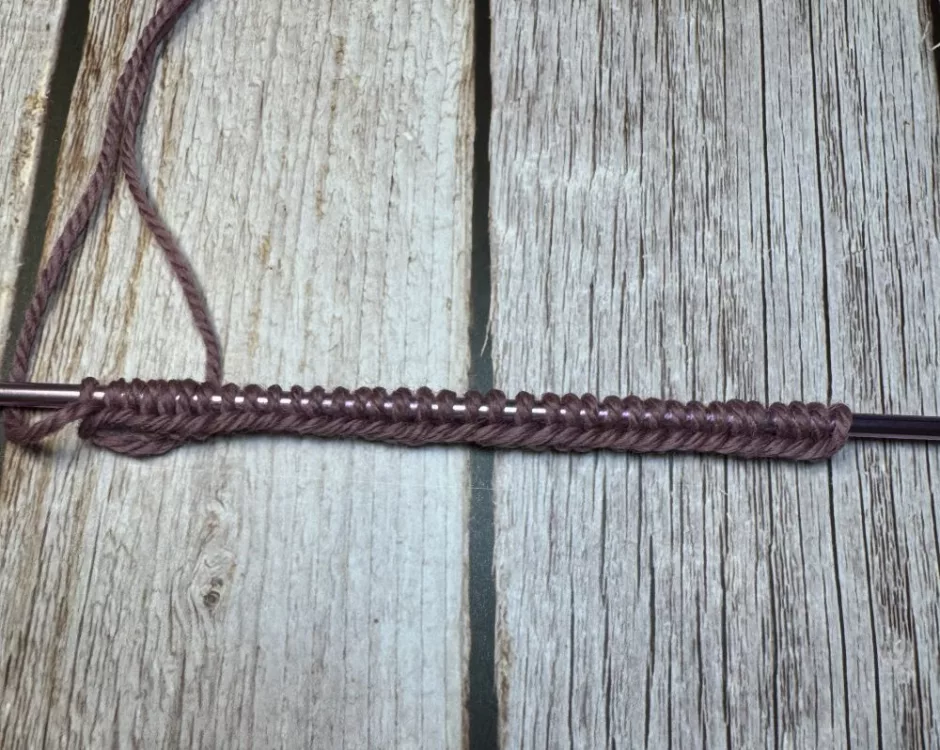
The pattern starts on a right side/front side row. Cast on multiples of 18 stitches. (I’m using 36 here.)
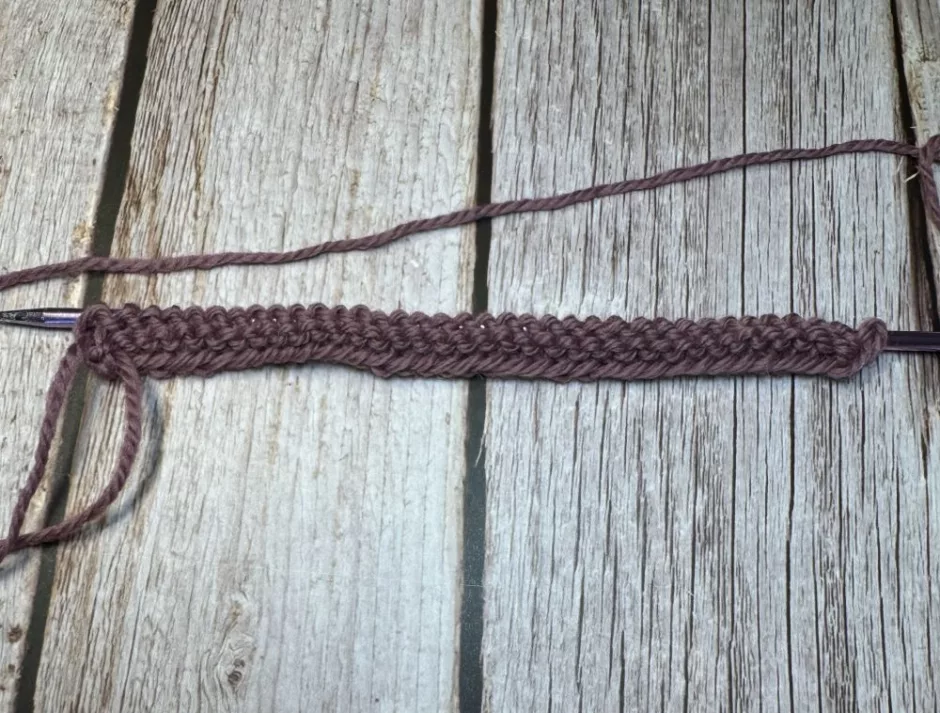
Row 1: knit all stitches.
Row 2: purl all stitches.
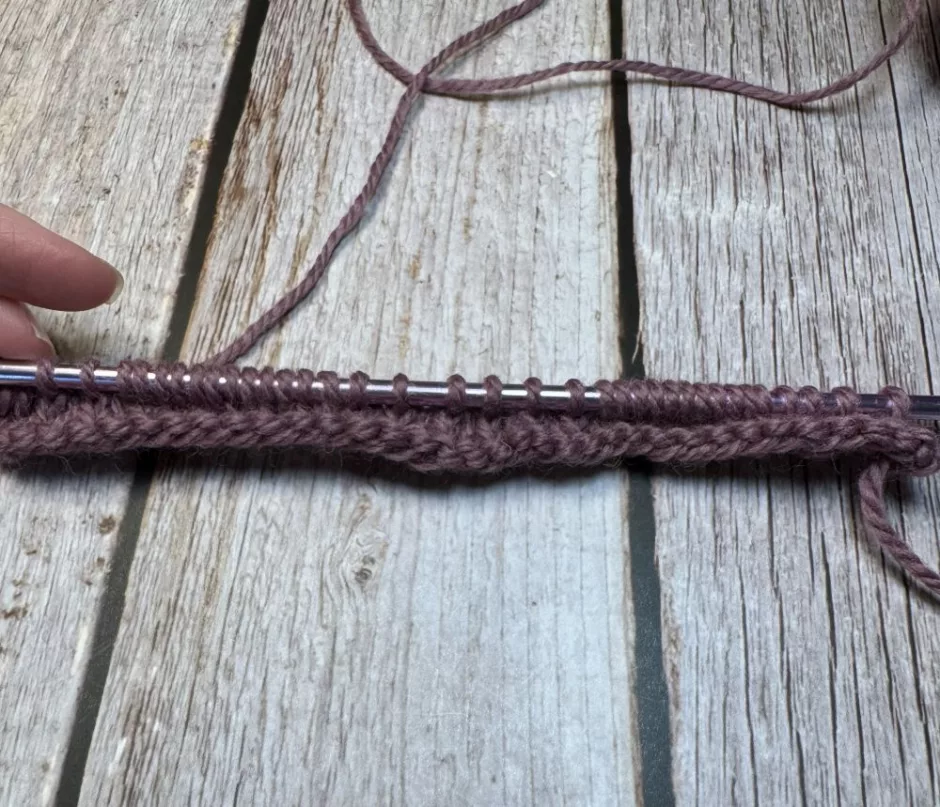
Row 3: *knit 2 together 3 times, then yarn over and knit 1 six times, then knit 2 together 3 times. Repeat from * across.
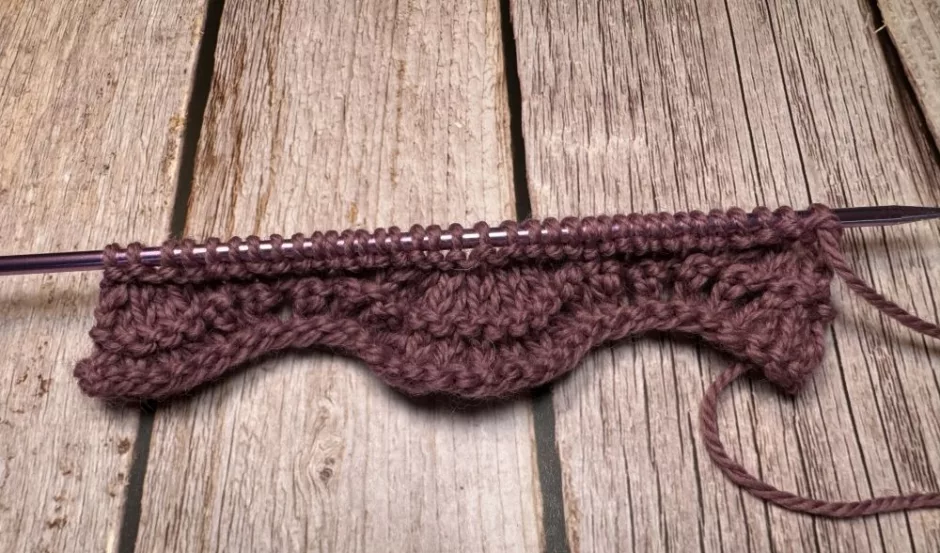
Row 4: knit all stitches.
That knit row worked on the wrong side makes a ridge of purl bumps on the right side, adding texture to the stitch pattern.
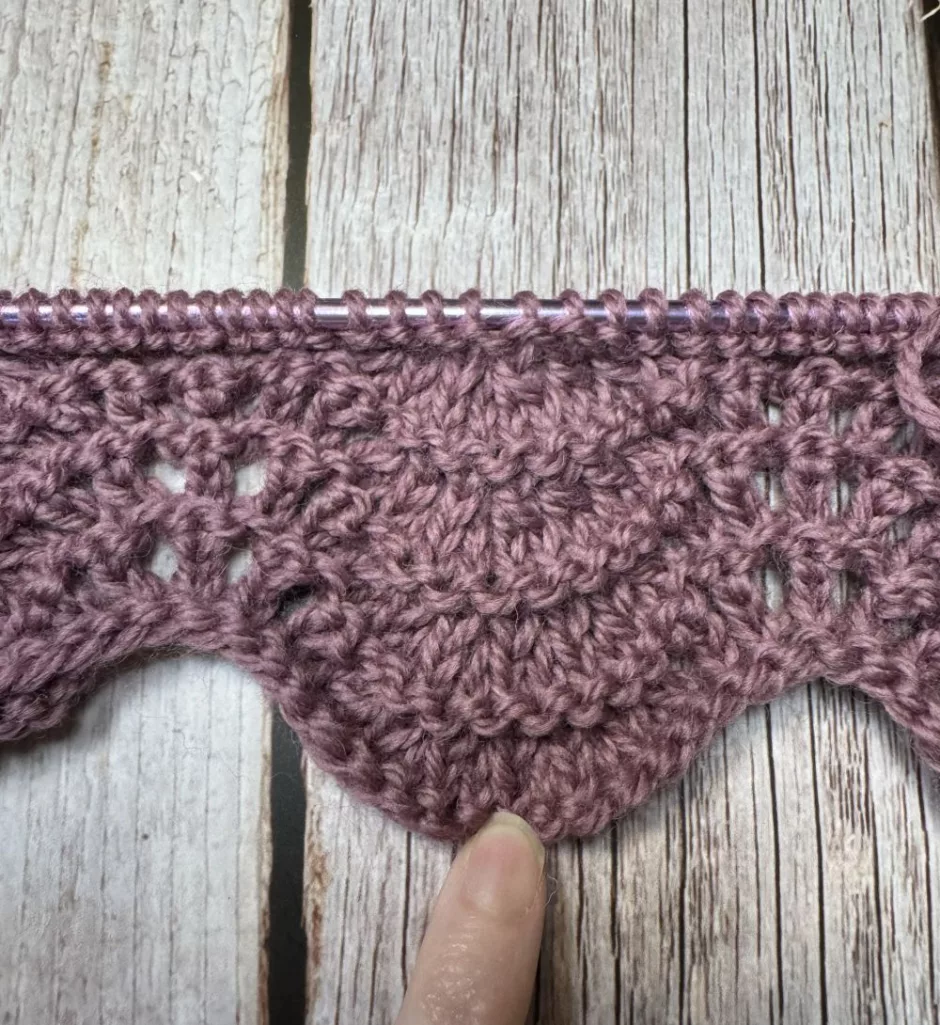
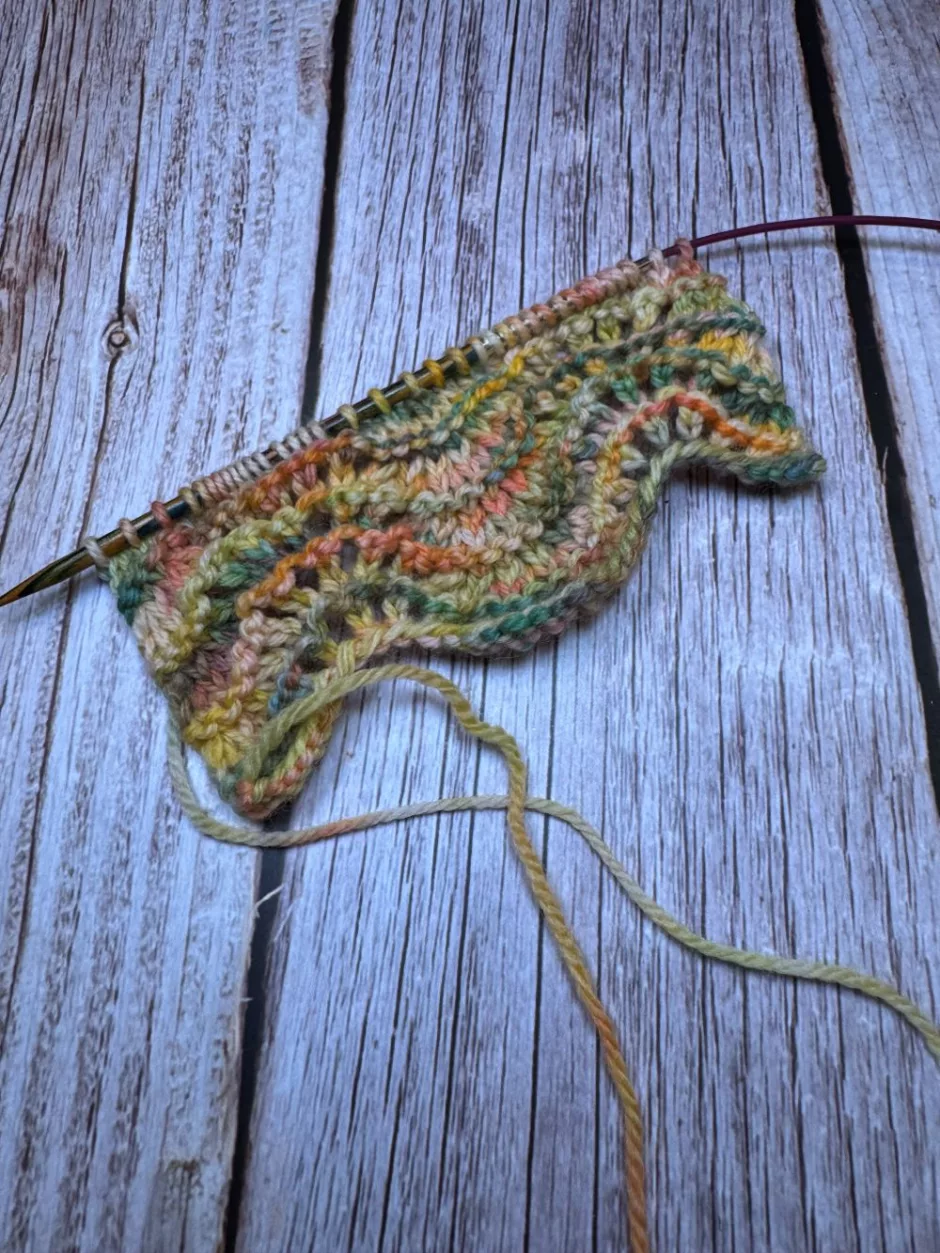
There are many variations of this stitch pattern, and you can also try working those last three decreases in each repeat as ssk instead of k2tog if you want. That makes the decreases point toward the increases on each side. Here I worked the first two repeats with all knit 2 togethers, and on the second two repeats I used ssks for the second set of decreases.
I like the speed on k2togs, so I just use them for all the decreases. Try it and see what you prefer.
Knitting in the Round
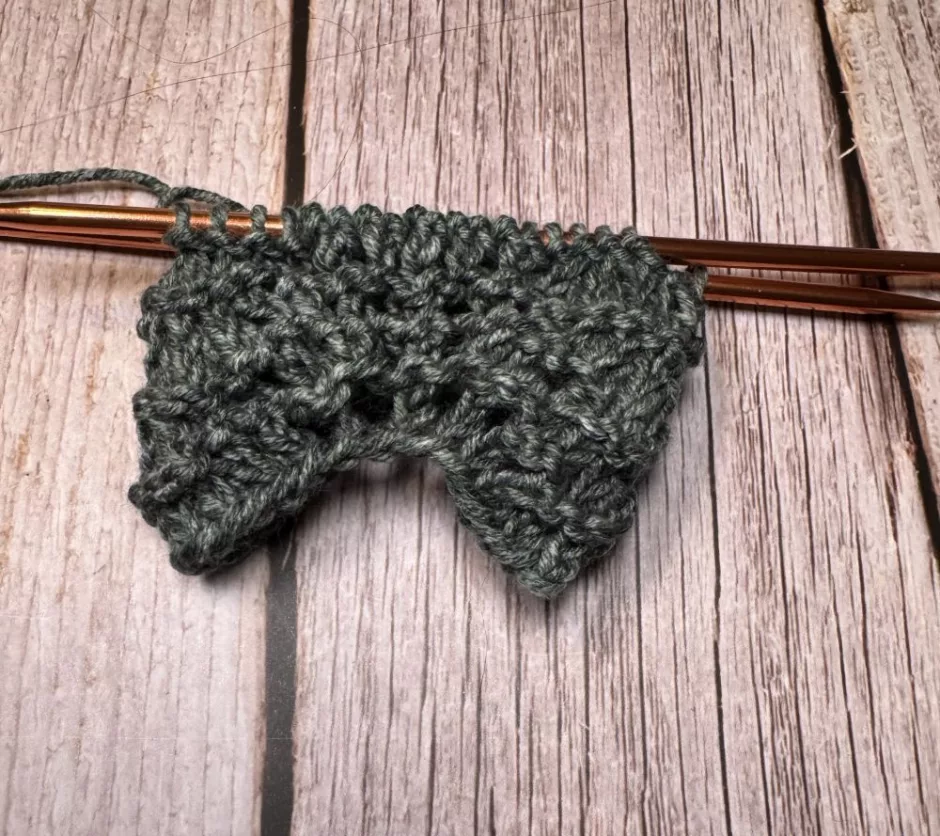
You can also knit feather and fan in the round, which is basically the same with a little switch.
Round 1: knit all stitches.
Round 2: knit all stitches.
Round 3: *knit 2 together 3 times, then yarn over and knit 1 six times, then knit 2 together 3 times. Repeat from * across.
Round 4: purl all stitches.
This keeps the first two rounds looking like stockinette stitch and still gives you the purl ridge on the front side where you want it. The stitch count is the same, multiples of 18.
Traditional Feather and Fan
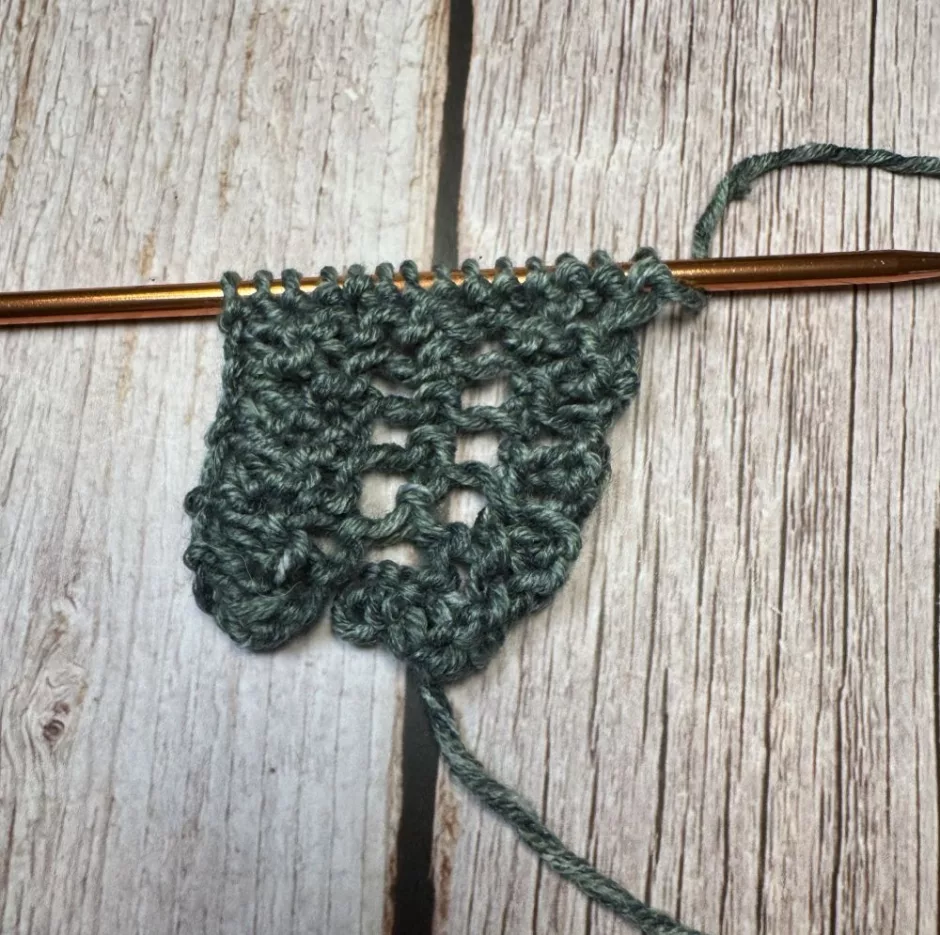
If you want to try the classic Shetland version of feather and fan, here’s how you’ll do it. This version works on multiples of 14 and can be worked on a background of stockinette or garter stitch. Northern Lace gives the pattern as follows:
Row 1: *knit 4 together, yarn over, (knit 1, yarn over) 5 times, knit 4 together through the back loop, purl 1. Repeat from * across.
Row 2: if working in garter stitch, knit all stitches. If in stockinette, *knit 1, purl 13. Repeat from * across.
Repeat these 2 rows for the pattern.
As mentioned above, that knit 4 together through the back loop could also be worked as a ssssk (that’s slip 4 stitches and then knit them together) if you prefer.
Whatever you call it, feather and fan/old shale/old shell is a fun and useful stitch pattern to know. It’s great for lightweight scarves, to use on shawls, the legs of socks and more.